
Every parent wants to see their child succeed. But when your child faces the challenges of autism, even small victories—like finishing a task or sitting still for a few minutes—can feel like mountains.
For Amon Israel Mkocha, those mountains are becoming easier to climb. And the tool helping his son Brian reach new heights? The FIDE Infinite Chess project.
Brian, a young learner at the Sibusio Centre in Arusha, Tanzania started his chess journey with the Infinite Chess team just a few months ago. Today, his father shares a story of real, measurable change—one that he believes other parents need to hear.
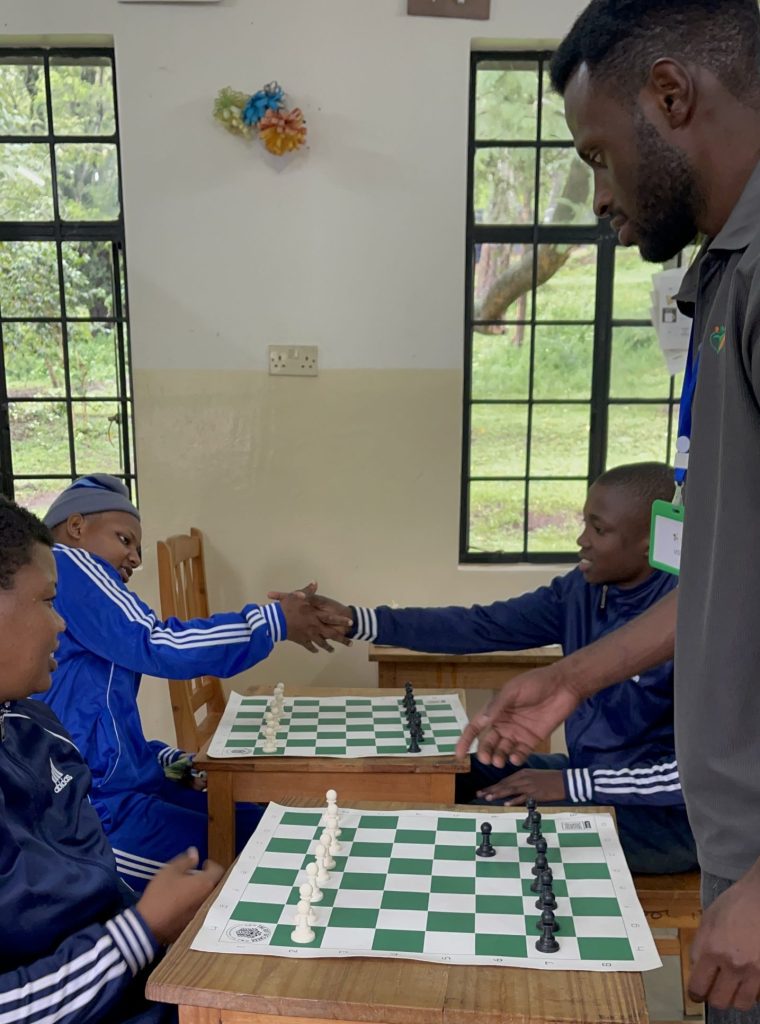
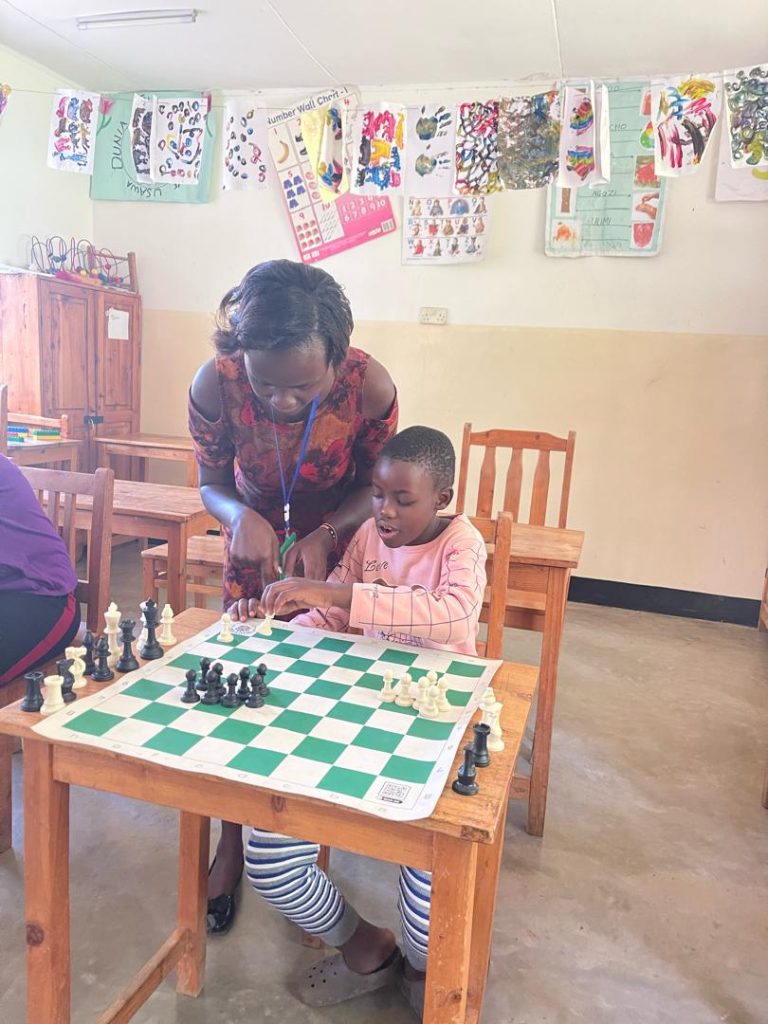
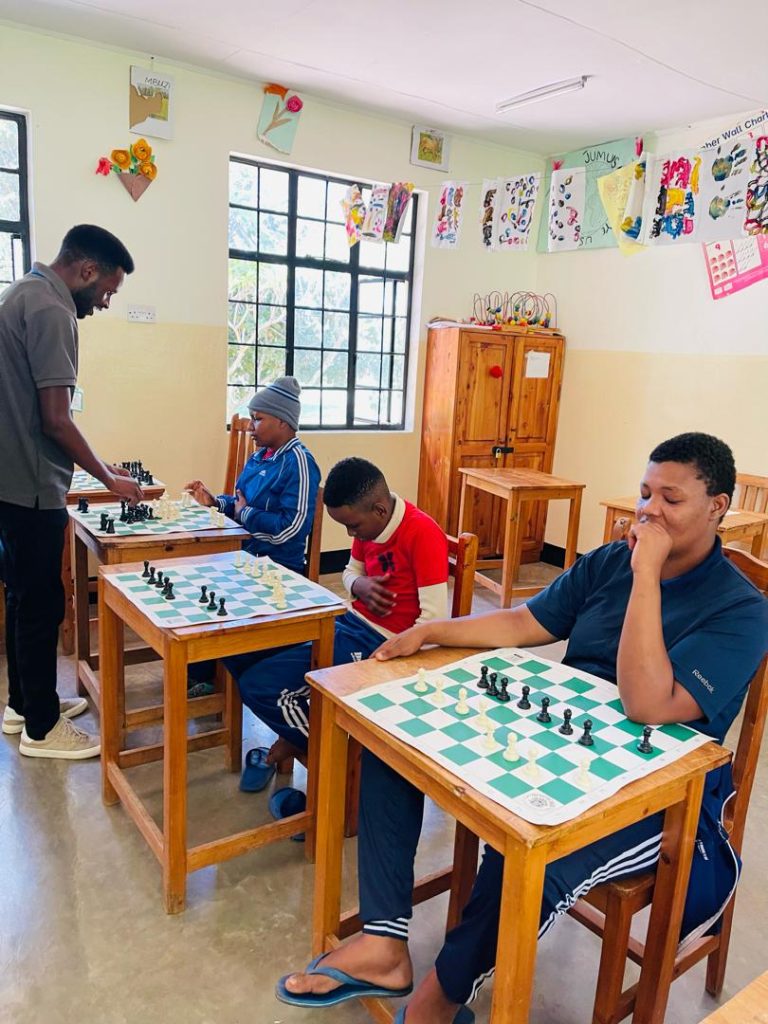
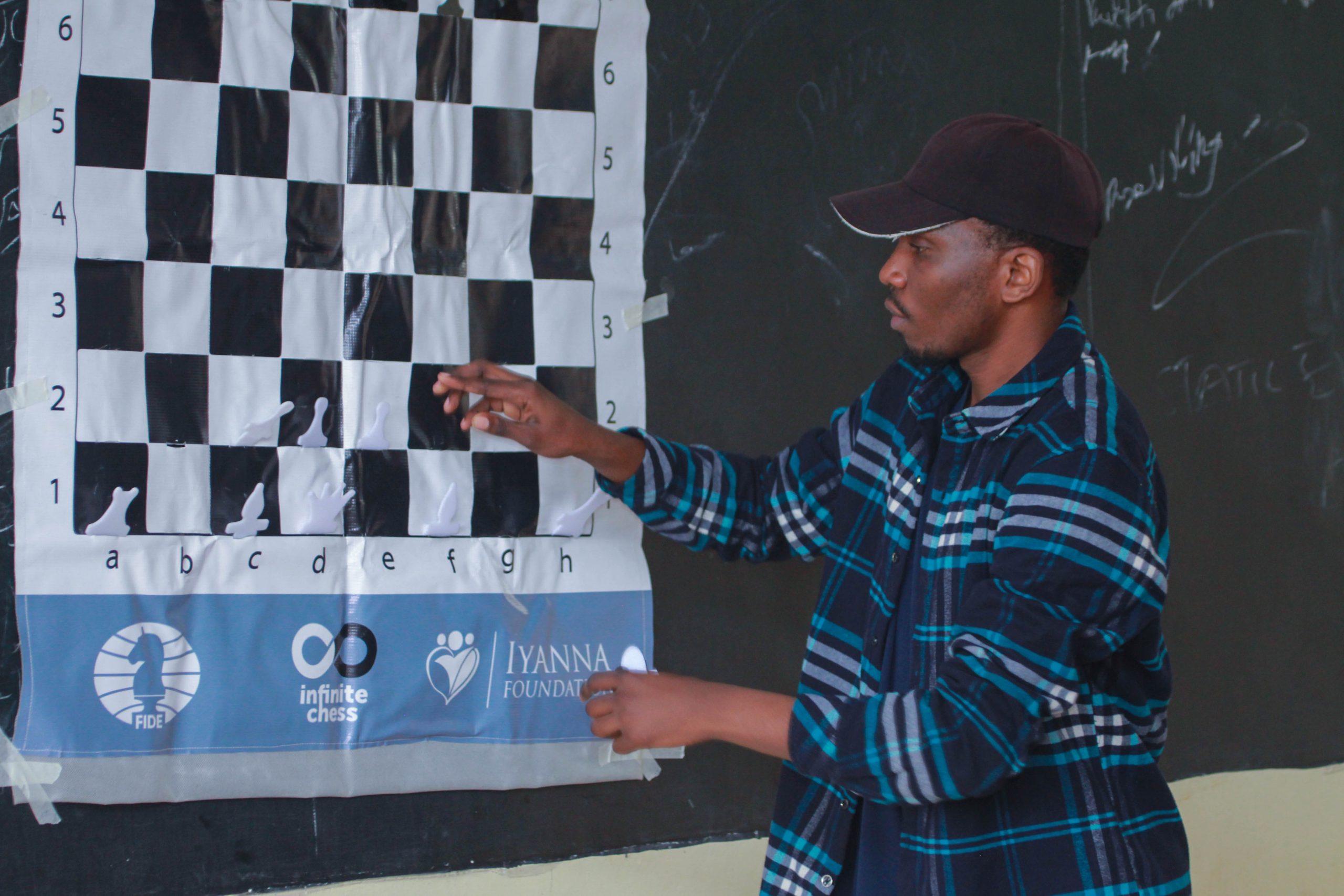
Before joining the project, Brian struggled with concentration. Traditional chess, with its complex 3D board and fast-moving pieces, was difficult to process. But the Infinite Chess format—designed specifically to reduce visual clutter and meet neurodivergent learners where they are—changed everything.
“My child started the FIDE Infinite project at SIBUSISO Rehabilitation Centre after meeting with experts who helped my child learn how to play,” Mr. Mkocha recalls.
That support made all the difference. Brian didn’t just learn the rules. He discovered a new way to focus.
“The relationship with chess enables him to concentrate on doing things,” his father explains. “Especially for children who have the problem of Autism.”
When asked how Brian reacted to the Infinite Chess format, Mr. Mkocha’s answer was immediate and powerful:
“The general reaction to my child is an increase in concentration when he is performing any duties.”
But that was only the beginning. Looking back on the journey, Mr. Mkocha identifies three major improvements in his son:
Increased concentration – Brian now stays focused longer, whether at the chessboard, doing homework, or helping at home.
Increased learning capacity – The mental workout of chess is helping Brian absorb new information more easily in school.
Increased confidence – Perhaps most importantly, Brian believes in himself. He tackles tasks now without hesitation.
“He stands taller,” his father says. “When he is performing any duty, he does it with confidence.”
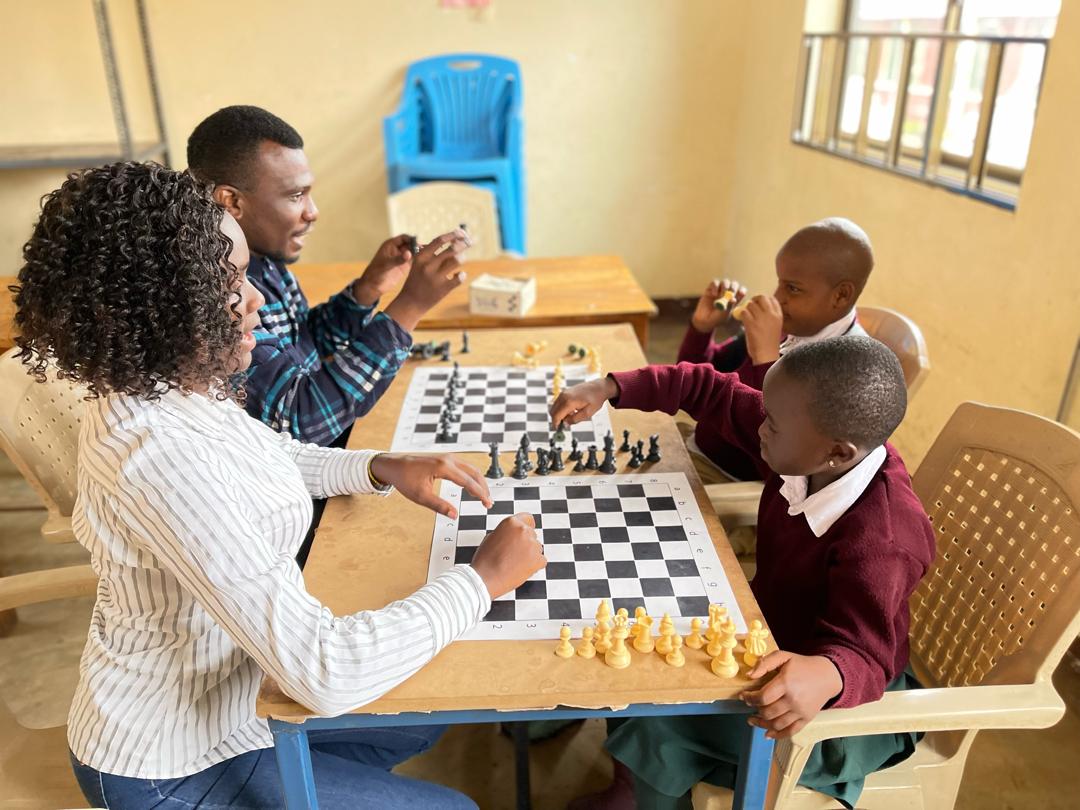
The FIDE Infinite Chess project is part of the ongoing #CelebrateMindsOfAllKinds marathon, which highlights how adaptive chess can unlock potential in children of all neurotypes. For Mr. Mkocha, this isn’t just a nice idea—it’s a proven solution.
“Due to my child’s lack of concentration when performing any duty, the game helped him concentrate,” he says plainly. And then he offers a heartfelt recommendation to parents who may be struggling just as he once did:
“I would like to recommend this format to the parents who have children with the same challenge as my child. Use this format to solve problems for their child.”
At FIDE Infinite Chess, we believe that every mind deserves a seat at the board. Brian’s story from the Sibusio Centre in Arusha proves that when we adapt the game—not the child—magic can happen.
Concentration. Learning. Confidence. These aren’t just chess skills. They’re life skills. And thanks to the Infinite Chess format, Brian Amon Mkocha is building all three—one move at a time.
Join the #CelebrateMindsOfAllKinds marathon
Do you have a story about how adaptive chess has made a difference in your family or classroom? Share it with us using the hashtag #CelebrateMindsOfAllKinds. Together, we’re proving that chess is for everyone.
Special thanks to the Sibusiso Centre Arusha and the Mkocha family for sharing their journey.