

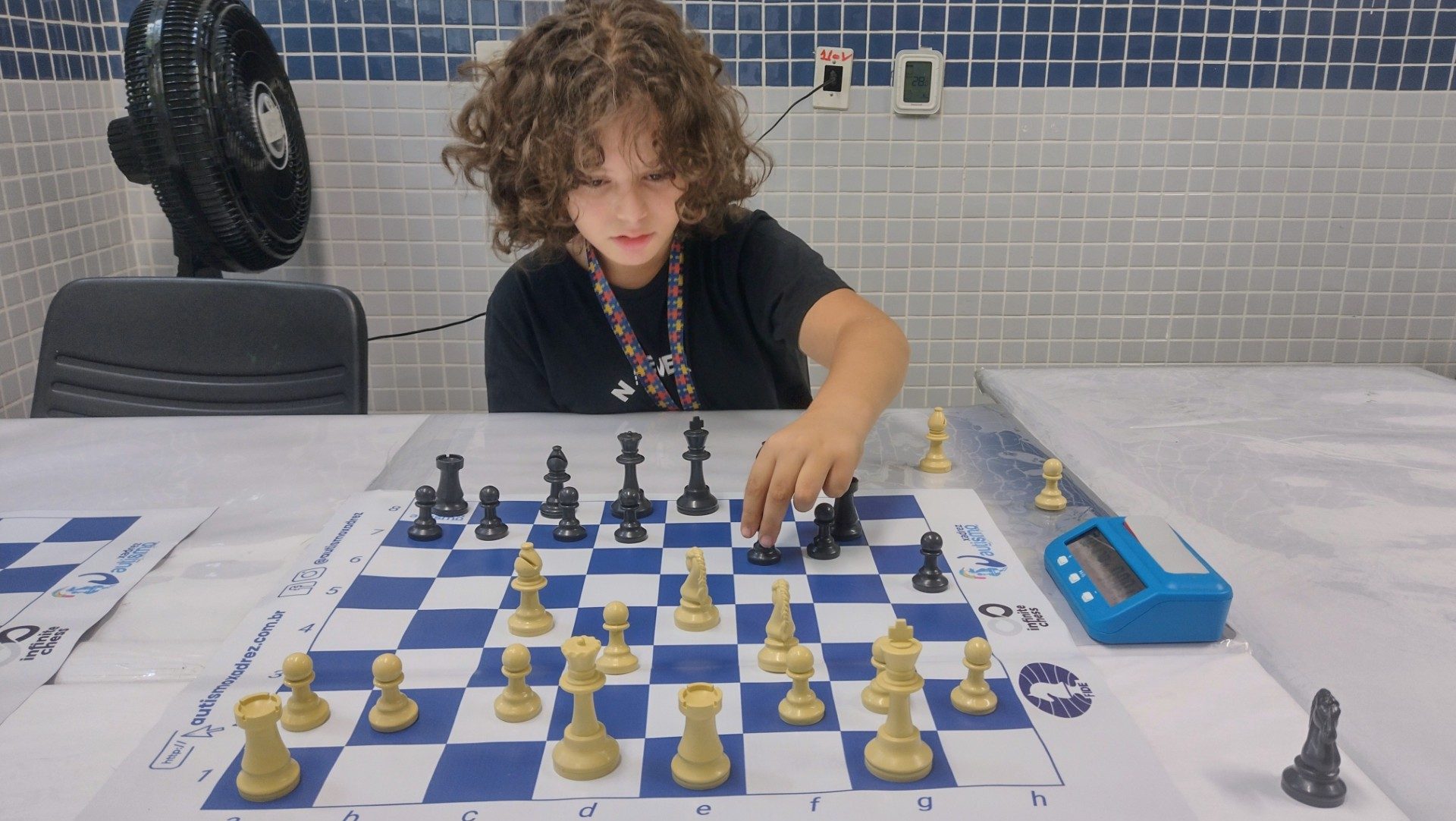
Chess has long been celebrated for its ability to enhance cognitive functions such as memory, attention, and problem-solving. Recent research and practical initiatives, including the FIDE Infinite Chess project, have explored its potential benefits for individuals with Autism Spectrum. Two notable studies—one conducted by Jake Bornstein and Charese Cunningham in the United States, and another by M.A. Luciano Gomes de Sousa in Brazil—highlight how chess can serve as a powerful tool for improving cognitive and social skills in people with autism spectrum.
- Cognitive Benefits: Working Memory and Focused Attention
The study by Bornstein and Cunningham investigated whether chess could enhance working memory and focused attention in individuals with ASD. Their research involved a seven-week chess program for participants aged 11–23, using the Memory Match Game to measure cognitive improvements. The results were promising: participants with mild to high-functioning ASD showed significant reductions in the time taken to complete the memory task, indicating improvements in both working memory and focused attention. Statistical analysis confirmed these findings, particularly when excluding one participant with low-functioning ASD who struggled with the program.
- Key takeaways from this study include:
– Chess training led to an average improvement of 27 seconds in memory task completion time for ASD participants.
– Individual improvements ranged from 24% to 62% in task efficiency.
– The structured nature of chess, with its clear rules and need for strategic planning, aligns well with the cognitive strengths and needs of many individuals with ASD.
- Social and Interactional Benefits
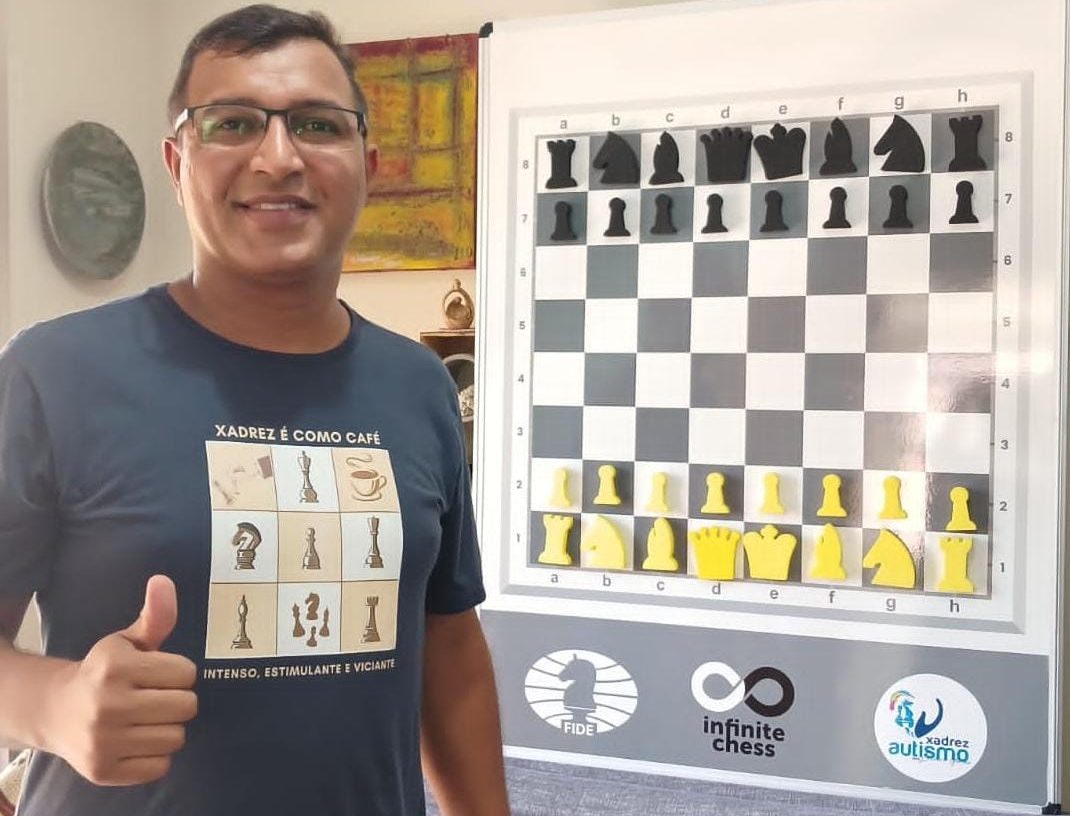
Luciano Gomes de Sousa’s work complements these findings by focusing on the social benefits of chess for individuals with autiam spectrum. Drawing from initiatives like the “chess workshop with autistics” in Brazil and the Dutch project documented in Developing Chess Talent, Sousa highlights how chess fosters interaction and sociability—two areas often challenging for people with ASD. The structured yet engaging nature of chess provides a comfortable environment for social interaction, from the pre-game handshake to the post-game reflection. Parents and facilitators reported that participants displayed improved concentration and a newfound ability to engage in activities for extended periods.
- Notable observations from Sousa’s research:
– Chess workshops encouraged autistic individuals to take on teaching roles, enhancing their confidence and social skills.
– The logical and rule-based framework of chess reduces ambiguity, making it more accessible for those with ASD.
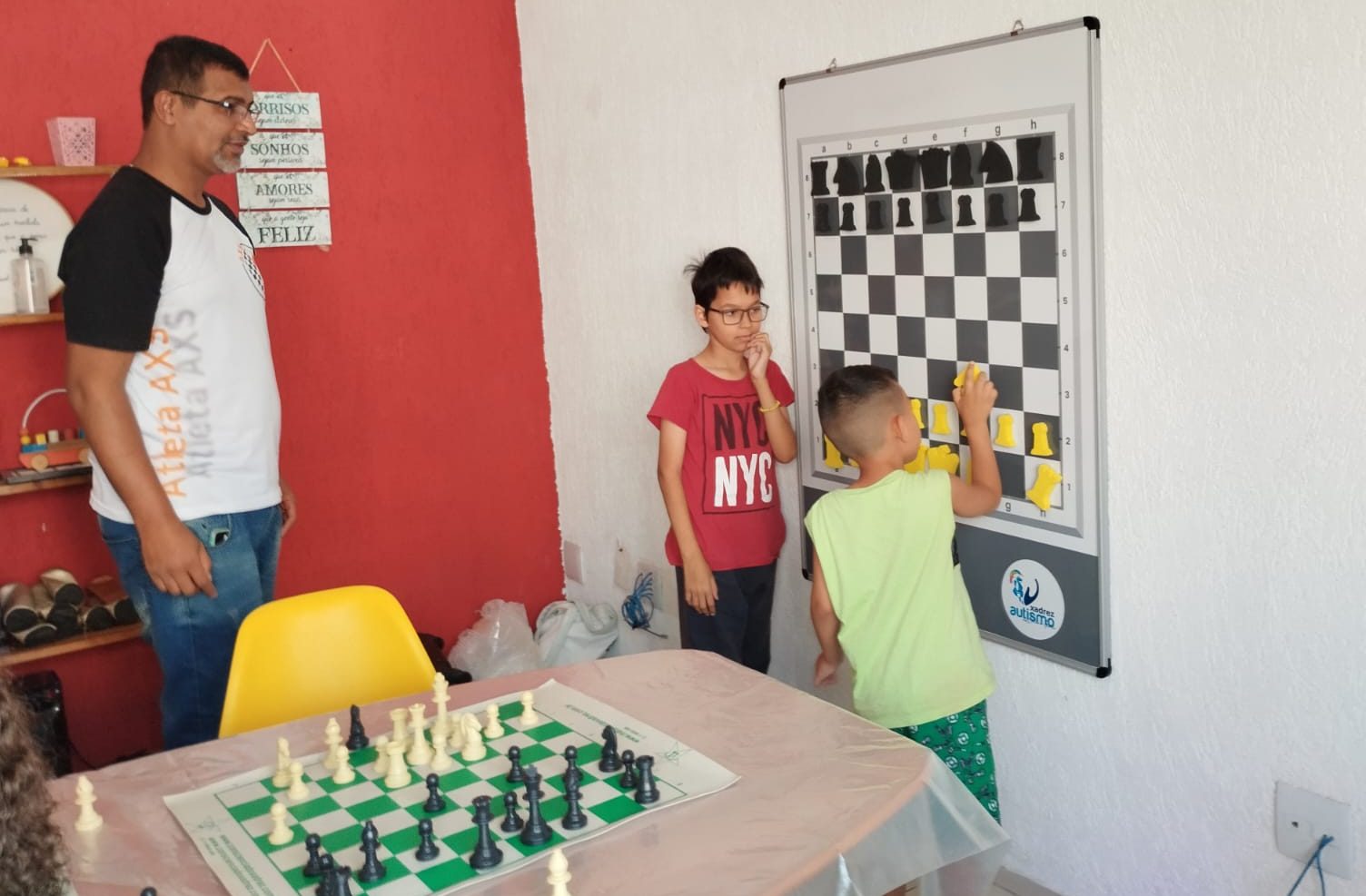
– Public workshops in Brazil demonstrated that inclusive settings could benefit both autistic and neurotypical participants.
- Implications for the FIDE Infinite Chess Project
The findings from these studies align perfectly with the goals of the FIDE Infinite Chess project, which aims to promote chess as an inclusive and developmental tool. Here’s how these insights can be applied:
1. Tailored Programs: Design chess curricula that cater to different functioning levels within the ASD spectrum, ensuring accessibility for all participants.
2. Social Integration: Organize inclusive workshops where individuals with ASD can interact with neurotypical peers, fostering mutual understanding and growth.
3. Community Engagement: Partner with schools, therapy centers, and advocacy groups to expand the reach of chess programs for the ASD community.
4. Research Collaboration: Support further studies to explore the long-term effects of chess on cognitive and social development in ASD.
Conclusion
Chess is more than a game—it’s a bridge to cognitive and social growth for individuals with autism spectrum. The studies by Bornstein, Cunningham, and Sousa provide compelling evidence of its benefits, from sharper memory and attention to enhanced interaction skills. As the FIDE Infinite Chess project continues to grow, these insights underscore the transformative potential of chess in enriching the lives of people with autism. By embracing chess as a therapeutic and educational tool, we can unlock new opportunities for learning, connection, and empowerment.
Join the movement. Play chess. Change lives.
For more information about the FIDE Infinite Chess project, contact us infinitechess@fide.com
References:
– Bornstein, J., & Cunningham, C. (2023). Journal of Student Research.
– Sousa, M.A.L.G. (2021). Brilliant Mind Journal.
– Van Delft, K., & Van Delft, M. (2010). Developing Chess Talent.